
High Potency API (HPAPI) Manufacturing
At ABPS, containment is not a technology — it is a proven system. Built on decades of HPAPI experience, our approach combines in-house toxicology, engineering controls, operational controls and specialized training into a single risk-based framework. Continuously verified through monitoring programs and successfully challenged through customer, regulatory and EHS audits, this standard enables us to safely handle compounds up to OEB5.
Different sites, one containment standard.
Customers benefit from one consistent HPAPI standard across the ABPS network. All sites support OEB4 manufacturing, while Wetteren extends capability to OEB5 production and OEB6 development. Continuous SME collaboration ensures the same high standards for safety, quality and containment performance everywhere.
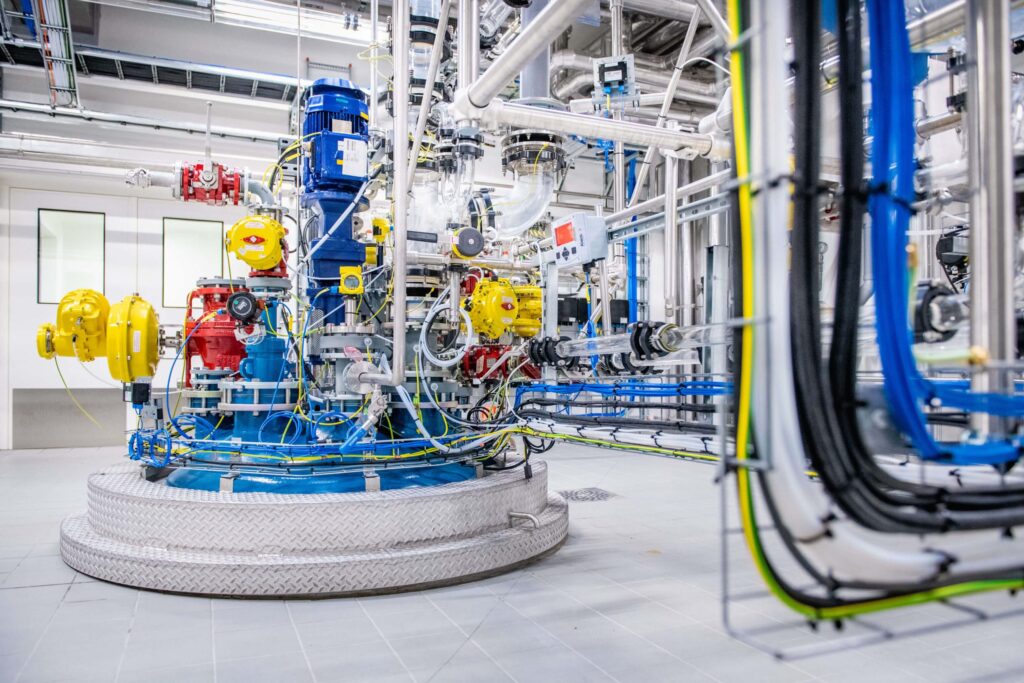
R&D + kilolab
Wetteren, Belgium
- OEB4–6 capabilities
- Reactor capacity from OEB4: 248 m³ to OEB6: Large-scale labs (up to 5 kg batch volume)
- Scale from grams to 200 kg/batch
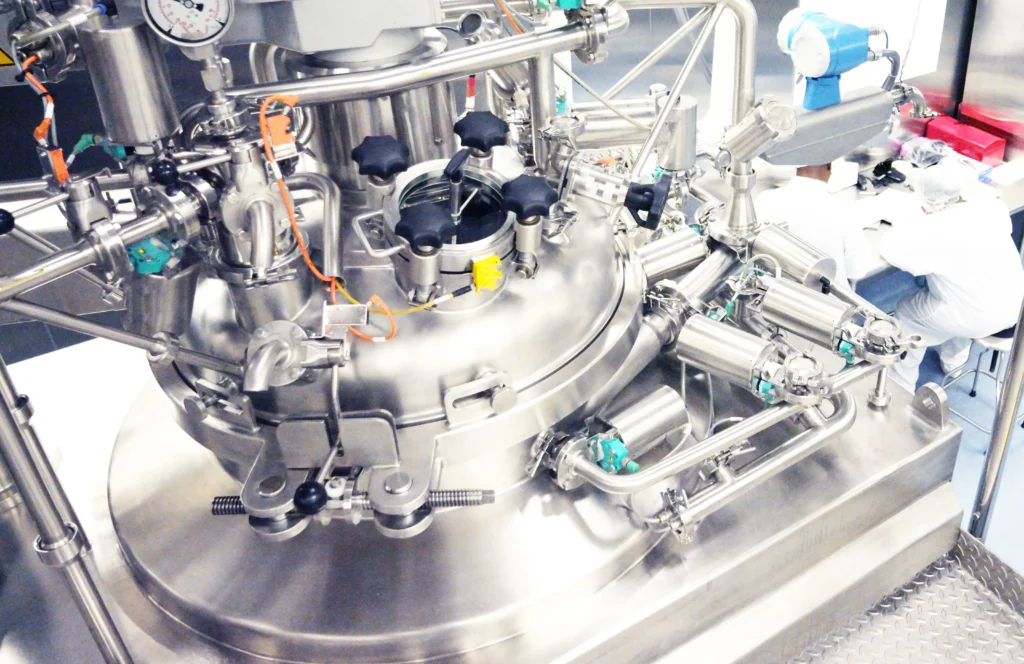
Commercial
Balen, Belgium
- OEB4 capability
- Reactor capacity OEB4: 170 m³
- Commercial manufacturing
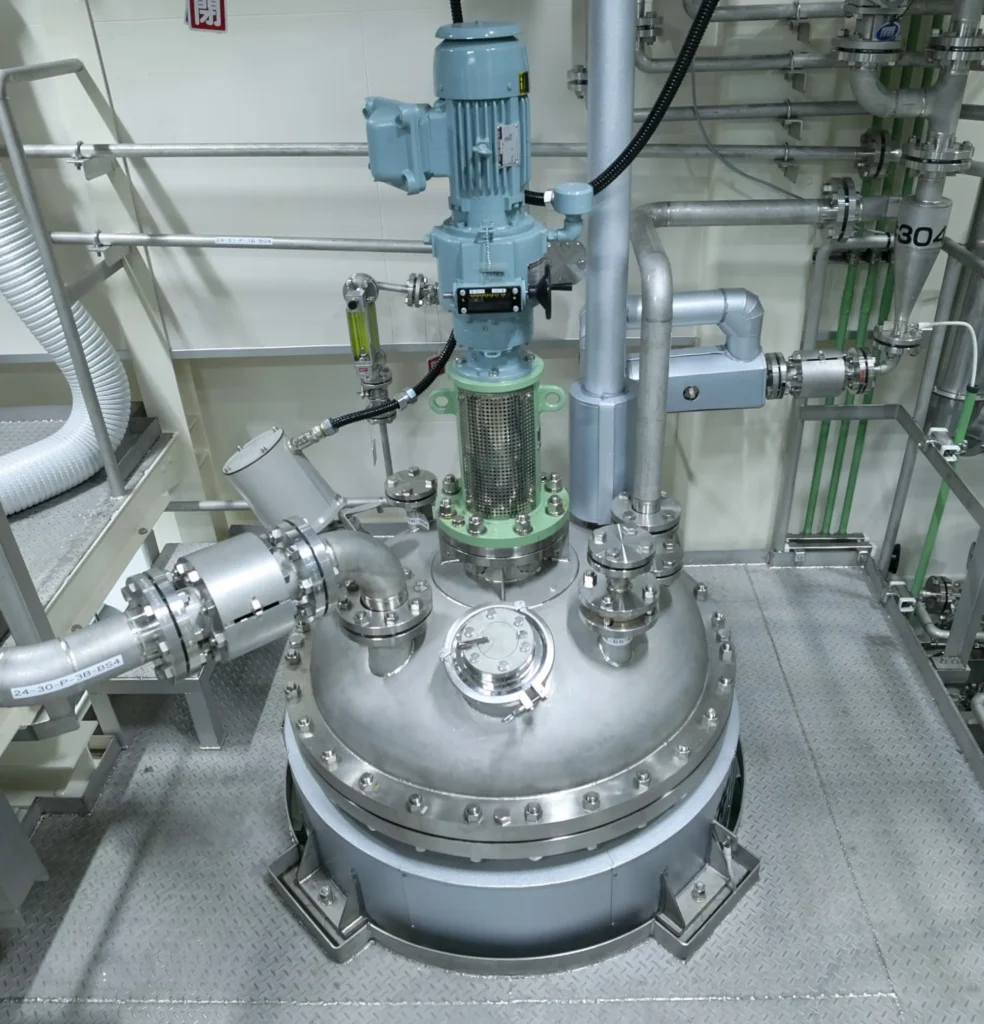
Commercial
Vizag, India
- OEB4 capability
- Reactor capacity OEB4: 80 m³
- Commercial manufacturing
Different sites, one containment standard.
We apply one harmonized HPAPI standard across our global network, covering facility design, engineering controls, operating procedures, cleaning validation and maintenance practices. Containment performance is verified — not assumed. Equipment and containment solutions are SMEPAC-qualified during FAT and SAT testing and continuously monitored during operation to ensure sustained performance.
OEB5
Manufacturing capability — Wetteren
OEB6
evelopment capability — Wetteren large-scale labs
500+ m³
Total dedicated HPAPI capacity across network
20+
Years HPAPI manufacturing experience
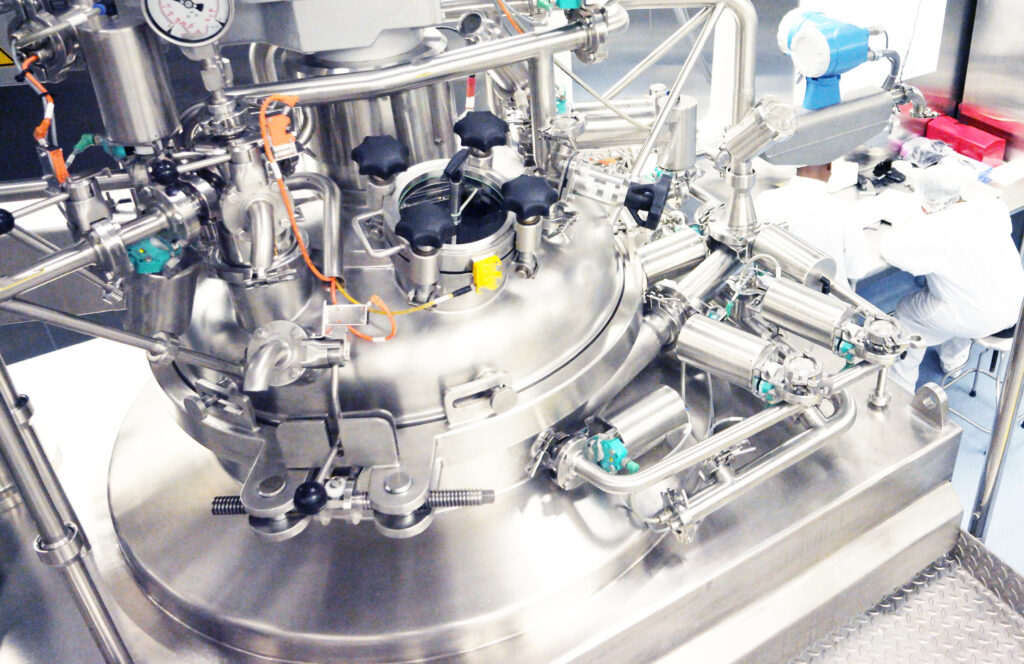
Built Around Potent Compounds
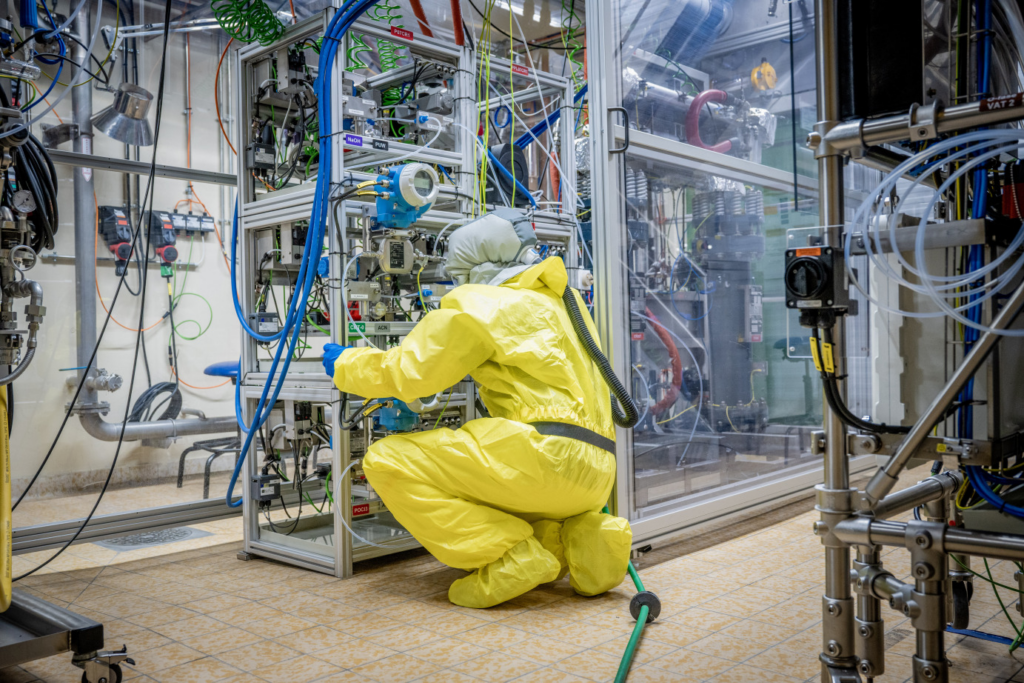
At ABPS, containment is engineered into every aspect of HPAPI manufacturing. Dedicated HPAPI suites — physically separated from non-potent operations — combine advanced engineering controls, rigorous operational procedures and specialized operator training into one integrated protection system.
Proven by Performance
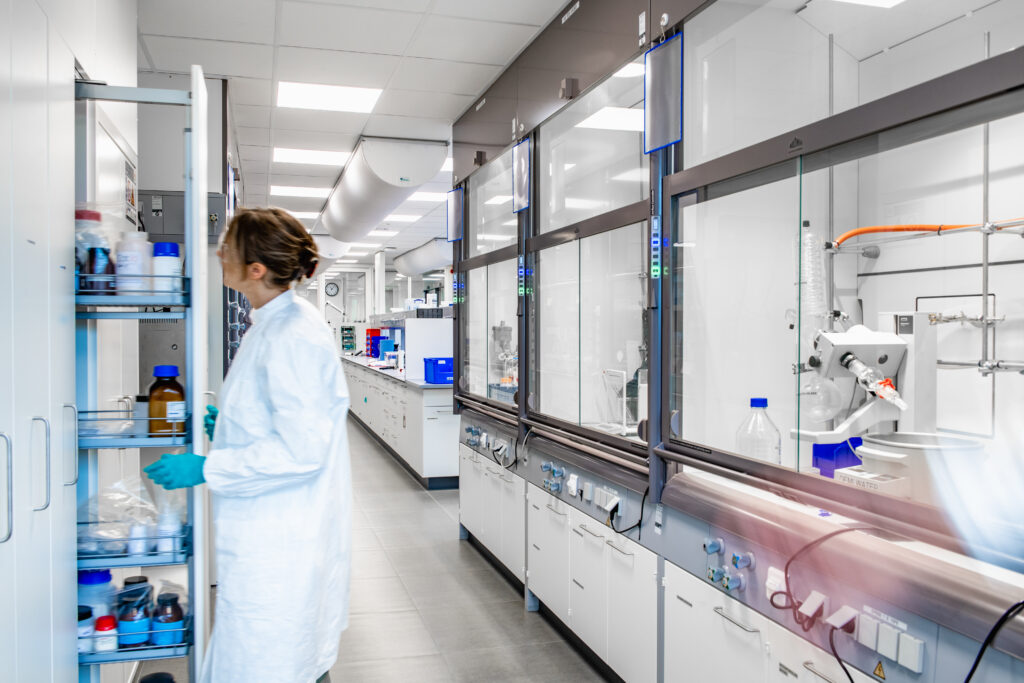
Containment performance is not assumed — it is proven. HPAPI equipment and containment systems are qualified using SMEPAC-based testing during FAT and SAT activities and supported by continuous air monitoring programs to verify ongoing performance.
Reliability in Every Batch
Equipment decontamination protocols, validated cleaning procedures and MACO-based assessments ensure safe operation of multipurpose assets while protecting both product quality and patient safety. Supported by in-house toxicology expertise for OEL and OEB determination, this risk-based approach enables ABPS to safely manufacture compounds up to OEB5.
In-House Toxicology and OEB/OEL Assessment
Effective HPAPI manufacturing starts with understanding the molecule. The real value of in-house toxicology is not the assessment itself — it is the ability to translate toxicological data into faster, better-informed project decisions.
Scientific Planning
Our Toxicologists work side-by-side with process development, EHS, engineering, quality and operations teams from day one, ensuring critical containment and manufacturing decisions are built on science rather than assumptions.
Strategic Safety
By establishing OEL, OEB and MACO limits internally, we rapidly convert hazard data into practical manufacturing strategies — from containment design and equipment selection to cleaning validation, monitoring programs, PPE requirements and operator training.
In-House Expertise
Because toxicological expertise is embedded within the project team, customers benefit from faster alignment, fewer handovers and reduced risk of late-stage surprises that can delay scale-up or commercial execution.
Better Results
The outputs are more than a toxicological assessment. It is a scientifically grounded, risk-based manufacturing strategy that protects operators, safeguards product quality and patient safety, and gives customers greater confidence at every stage of development and commercial supply.

Bring us your process challenge. We’ll figure it out.
From OEB5 development through commercial supply — our experts assess, advise and execute across the entire HPAPI value chain.
Frequently Asked Question
What HPAPI potency levels can ABPS support?
ABPS has decades of experience developing and manufacturing highly potent compounds at commercial scale. Our network supports OEB4 and OEB5 programs, with dedicated OEB5 manufacturing capabilities in Wetteren and OEB6 capability in our large-scale development laboratory. Potent compounds are manufactured within a risk-based containment framework that combines in-house toxicology, engineered containment, operational controls and continuous performance verification. From development through commercial supply, customers benefit from a proven HPAPI platform designed to safely scale even the most demanding compounds.
Are there limitations to the types of potent or hazardous compounds you can handle?
Very few. ABPS has built its reputation on solving challenging chemistry problems. Beyond highly potent APIs, our teams routinely support projects involving lachrymators, cyanides, highly toxic reagents, hazardous intermediates and reactions that generate toxic gases. Combined with decades of experience in hazardous chemistry, advanced process safety expertise and containment capabilities up to OEB5, this allows us to safely develop, scale and manufacture a broad range of high-risk compounds while maintaining the highest standards for safety, product quality and environmental protection.
How do you verify that containment performance is maintained over time?
Containment performance is verified—not assumed. ABPS applies SMEPAC-based testing, the industry-recognized containment verification methodology developed by ISPE. Our containment strategy, monitoring program and performance criteria are overseen by in-house Industrial Hygienists and our toxicology team. HPAPI equipment and containment systems are qualified during commissioning and continually monitored throughout operation to confirm sustained performance. This provides customers with objective evidence that operator protection, containment effectiveness and regulatory compliance remain under control throughout the lifecycle of the facility
Can ABPS support the complete manufacturing chain for OEB5 compounds?
Yes. ABPS offers an end-to-end OEB5 manufacturing platform covering every critical stage of HPAPI production. Containment is integrated throughout the process—from charging raw materials and reactor operations to filtration, drying, sampling, product isolation and final packaging activities. In addition, ABPS operates dedicated micronization capabilities qualified for OEB5 compounds, allowing customers to keep the complete drug substance workflow within a single organization. This reduces technology-transfer risk, simplifies project management and provides confidence that safety, quality and containment performance are maintained throughout the entire manufacturing process